6287 Taylorsville Rd Building #2, Fisherville, KY 40023

Why Teeth Hurt After Cleaning & How to Reduce Sensitivity


Why Teeth Hurt After Cleaning & How to Reduce Sensitivity
Most people expect a dental cleaning to leave their mouth fresh and healthy. Yet for many, the hours or days afterward bring soreness, tingling, or sudden sensitivity when sipping something cold. It can feel confusing — especially when you just took a step toward better oral health. If you’ve ever wondered why this happens or whether it’s normal, you’re not alone. In this blog, we’ll talk about why discomfort occurs, what’s normal, what’s not, and simple ways to soothe your teeth at home.
Why Do Teeth Hurt After a Cleaning?
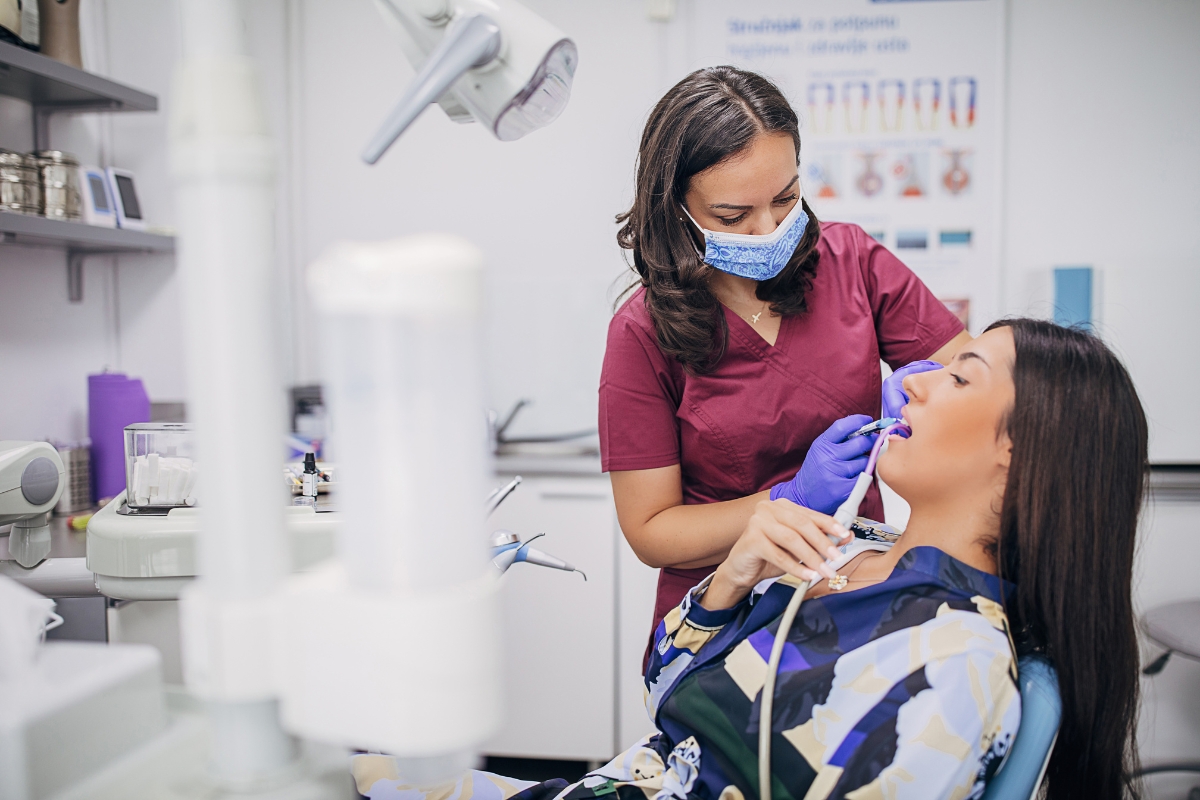
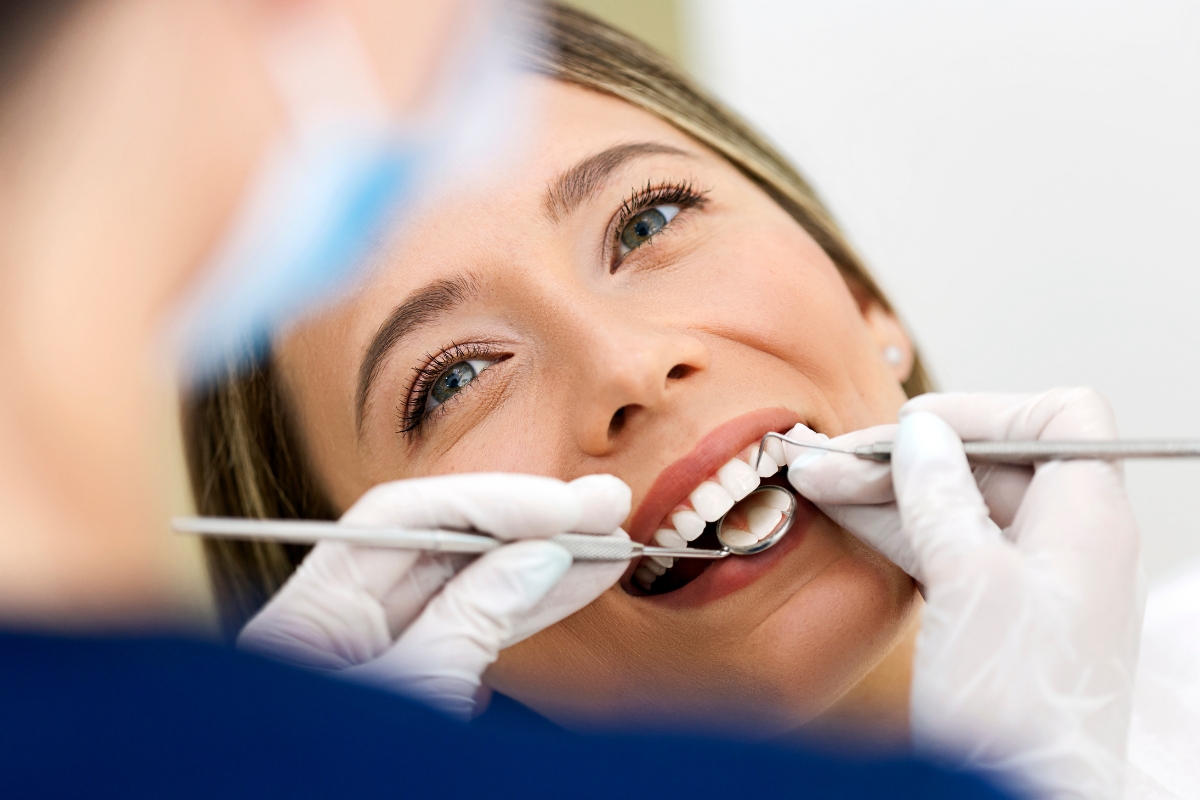
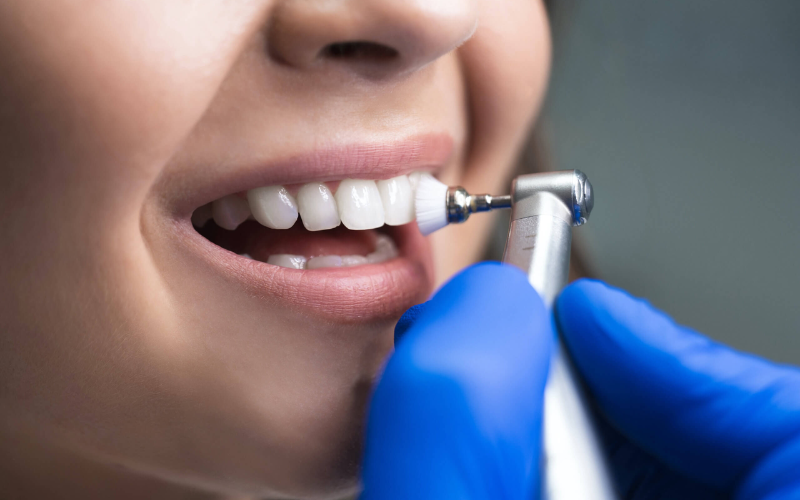
Many patients feel slight sensitivity after removing plaque, tartar, and buildup around the gumline. Cleaning exposes areas previously covered, allowing temperature and pressure to reach the tooth more directly. Dental cleaning is a standard hygiene procedure that supports strong oral health, but minor discomfort afterward is part of the healing process.
During a dental cleaning in Fisherville, KY, hygienists gently scale away hardened deposits. If the gums are inflamed, even a light touch may leave the tissues tender. Exposure of previously shielded enamel surfaces may also heighten reactions to cold drinks or brushing. These sensations typically improve within a few days.
Common reasons teeth may feel sore include:
- Gum inflammation or gingivitis before the appointment
- Tartar removal exposes newly cleaned surfaces
- Slight irritation where the scaler contacted the gums
- Recession exposing root surfaces (which are naturally sensitive)
- Deep cleaning or periodontal therapy for gum disease
- Hard brushing habits prior to the appointment
If discomfort is severe, persistent, or worsens instead of improving, it is important to contact your dentist for an evaluation rather than waiting.
How Long Does Sensitivity Last After a Cleaning?
Most people notice improvement within 24–72 hours. For deeper cleanings or areas with prior irritation, complete comfort may take up to a week. Research from the American Dental Association indicates that plaque removal gradually reduces inflammation, allowing the tissue to heal over time rather than instantly. As gums settle, sensitivity naturally decreases.
What to expect within the first few days:
- Mild soreness when chewing hard foods
- Sharp twinges when teeth touch cold or sweet drinks
- Slight gum tenderness during brushing
These responses are normal and temporary.
How to Reduce Sensitivity at Home
Even though soreness is common, you can manage symptoms easily with gentle care. The goal is to protect enamel, support gum healing, and avoid irritation while sensitivity resolves.
Try these dentist-approved comfort tips:
- Use a soft-bristle toothbrush and light pressure
- Brush with a sensitivity-reducing toothpaste containing potassium nitrate
- Avoid ice-cold drinks for 48 hours
- Rinse with warm saltwater to soothe gums
- Switch to a fluoride mouthwash to strengthen enamel
- Limit acidic drinks like soda, citrus juices, or sports beverages
- Choose lukewarm foods instead of very hot or cold items
If gum tenderness is present, warm saltwater rinses twice daily may help calm the tissues. Over-the-counter pain relief may be used, but only as directed. Avoid whitening strips or abrasive toothpaste temporarily, as they can heighten sensitivity.
When Should You Call a Dentist?
While mild discomfort is normal, the following signs should not be ignored:
- Pain that worsens after 3–4 days
- Sudden swelling or gum bleeding that increases
- Persistent sensitivity beyond a week
- Pain is strong enough to affect daily activities
- Sensitivity to hot foods rather than mostly cold foods
These may indicate an underlying condition such as gum recession, enamel erosion, or infection that requires clinical attention. A dentist can evaluate the cause and recommend treatment options like desensitizing varnish, protective sealants, or fluoride therapy.
How to Prevent Sensitivity During Future Visits
Good daily habits can reduce post-cleaning soreness and prevent heavy buildup over time.
Useful prevention strategies:
- Brush twice daily with a gentle technique
- Floss once a day to reduce gum inflammation
- Drink water often to neutralize acids in the mouth
- Reduce frequent snacking or sugary drinks
- Schedule regular cleanings every six months
- Use fluoride products for enamel strength
Patients with gum recession or exposed roots may benefit from desensitizing toothpaste year-round, not just after dental cleaning in Fisherville, KY.
Healthy Teeth Need Care Beyond Cleanings
Routine hygiene visits remove what brushing alone cannot. Even if temporary sensitivity occurs, the long-term benefit to oral health is significant. Comfort improves steadily, and many people feel back to normal within a short period. Consistency is key — regular professional dental cleaning in Fisherville, KY helps maintain freshness, prevent gum disease, and keep enamel strong.
Keep Your Smile Comfortable and Healthy
If post-cleaning sensitivity worries you or you have questions about maintaining comfort, booking a professional visit can help. The team at Elite Family Dental offers gentle care and guidance to help you achieve a healthier smile. Schedule an appointment today to support strong teeth and lasting comfort.
Schedule your next cleaning or learn more about sensitivity relief — contact Elite Family Dental to book an appointment today.
FAQs
1. Why do my teeth feel sensitive after a professional cleaning?
Sensitivity often occurs because plaque removal exposes tooth surfaces and reduces inflammation, making areas more responsive to temperature changes.
2. How long should pain last after a dental cleaning?
Most discomfort fades in 2–3 days. For deep cleanings, mild sensitivity may last up to a week.
3. Can I eat normally after a cleaning?
Yes, but choosing softer foods and avoiding very hot or cold items for the first day may feel more comfortable.
4. What toothpaste helps with post-cleaning sensitivity?
Toothpaste containing potassium nitrate or stannous fluoride can help calm nerve response and strengthen enamel.
5. Should I avoid brushing if my gums feel sore?
Continue brushing, but use a soft brush and a gentle technique to avoid irritation.
6. Is gum bleeding normal after a cleaning?
Minor bleeding can happen if the gums were inflamed before treatment. It should decrease as healing begins.
7. When does sensitivity mean something is wrong?
If discomfort worsens after a few days, persists longer than a week, or includes swelling, contact a dentist for evaluation.