6287 Taylorsville Rd Building #2, Fisherville, KY 40023

How Long Do Dental Crowns Last, and What Affects Their Durability?


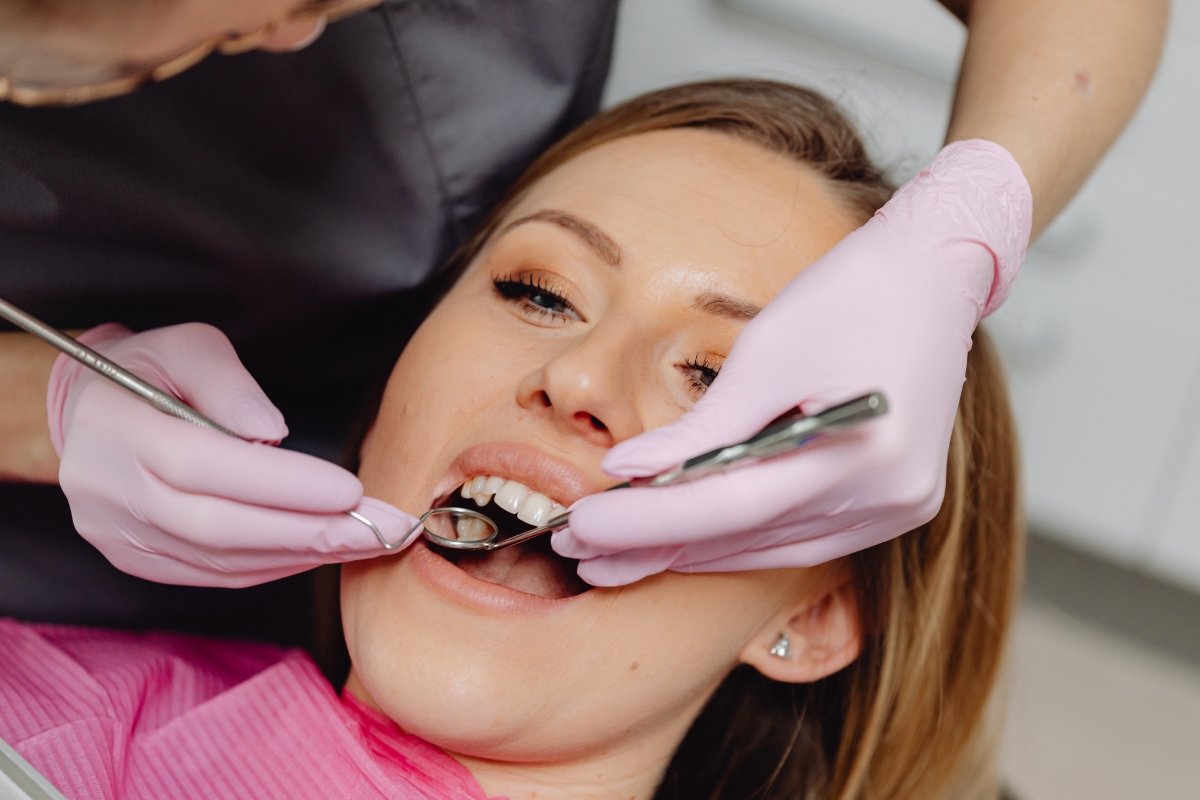
How Long Do Dental Crowns Last, and What Affects Their Durability?
Imagine taking a warm bite of your favorite pulled-pork sandwich at your local diner in Kentucky, or sipping a cold, sweet tea during a summer picnic in Fisherville’s open farmlands. Your teeth work hard every single day – chewing, grinding, and dealing with temperature changes. When a damaged tooth needs protection, a dental crown can be a reliable solution.
But here’s the question many patients ask Dr. Patel:
How long do dental crowns really last?
And is a longer lifespan simply luck, or does proper care make all the difference?
This blog walks you through the real-life expectancy of crowns, what shortens their lifespan, how to make them last longer, and signs that it may be time for a replacement. We’ll dive into practical tips, relatable examples, and guidance so you feel confident caring for your restored smile.
How Long Do Dental Crowns Last on Average?
Most crowns last 10–15 years, though some can last 20+ years with proper care. Crowns are built to handle everyday chewing, helping protect weak or cracked teeth. However, like car tires, their lifespan depends heavily on use and maintenance.
With routine check-ups, good home care, and bite-friendly habits, dental crowns in Fisherville can last longer than expected. Many people in Kentucky keep their crowns intact for decades simply by understanding what weakens them and what strengthens them.
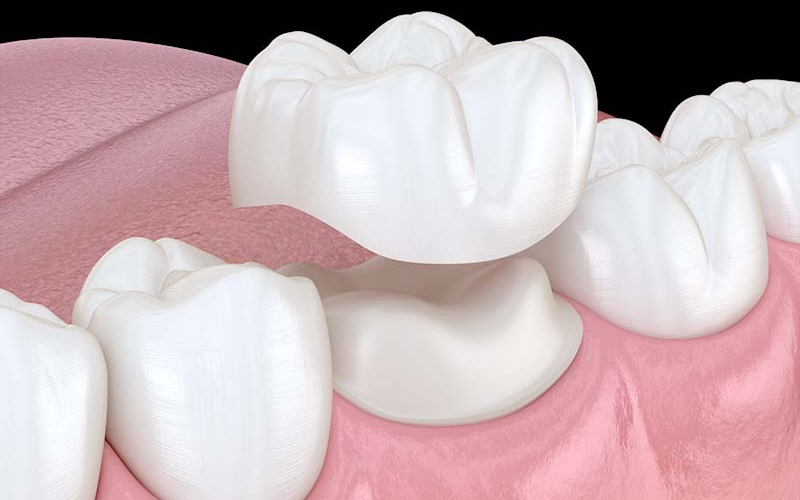
Think of dental crowns as helmets. They shield the tooth beneath but still need care to stay useful.
What Factors Affect Crown Durability?
Let’s get into what determines how long your crown lasts. Small habits matter more than most people think.
1. The Material Used
Different materials wear differently:
• Porcelain – natural-looking, popular for front teeth
• Porcelain-fused-to-metal – durable with a natural look
• Zirconia or Ceramic – strong, ideal for heavy chewing
• Gold Alloy – longest-lasting, rarely cracks
Zirconia and gold tend to last longest under grinding forces, while porcelain is beautiful for visible teeth.
2. Bite Pressure and Grinding
If you grind your teeth at night or clench your teeth under stress, you may shorten crown life by causing microfractures.
Tip: A nightguard can protect your crown like a shock absorber.
3. Oral Hygiene Habits
Crowns don’t decay, but the tooth underneath can.
Strong oral hygiene habits are your best defense:
• Brush twice daily
• Floss around the crown gently
• Rinse with fluoride mouthwash
• Schedule routine dental cleanings
Skipping dental cleanings is like skipping oil changes – it works until it suddenly doesn’t.
4. Diet and Eating Habits
Chewing ice, opening packages with your teeth, or regularly enjoying sticky candies can wear down a crown faster.
Foods that’re gentle on crowns:
• Soft fruits
• Cooked vegetables
• Lean meats
• Non-sticky snacks
Sweet treats and holiday BBQs are common during festivals. Just remember, moderation helps crowns last much longer.
5. Lifestyle and Daily Habits
A few lifestyle habits that slowly damage crowns:
• Chewing pens or nails
• Excessive coffee or soda acidity
• Smoking affects oral bacteria
• Grinding during workouts
Every day oral care routine matters more than dental visits alone.
How to Make Your Dental Crowns Last Longer
You can extend crown life with mindful daily habits. A simple routine will keep your restoration strong, healthy, and reliable.
Practical Tips:
Schedule dental checkups twice every year
Avoid using teeth as tools.
Wear a nightguard for grinding.
Maintain routine brushing & flossing routines.
Limit hard, chewy, or very sticky foods.
Use a soft-bristle toothbrush.
Extra tip:
Rinse after sipping Kentucky bourbon or sweet iced tea – acidity can raise the risk of decay under crowns.
Signs Your Crown Needs Replacement
Crowns rarely fail suddenly – they give signs. Pay attention to your mouth’s signals.
Watch for these indicators:
• Rough or chipped edges
• Increased sensitivity to hot/cold
• Pain when biting/chewing
• Gum inflammation or recession around the crown
• Crown appears loose or wobbly
• Dark line near gums (common with porcelain-fused-to-metal)
Ignoring symptoms can put the natural tooth at risk. Early evaluation often prevents bigger treatment later.
Why Crowns Fail Early (Common Mistakes)
Nobody plans to damage a crown, but these habits wear down the crowns:
• Chewing ice regularly
• Grinding without a nightguard
• Inconsistent brushing/flossing
• Avoiding routine dental visits
• Biting hard foods unevenly
Think of crowns like family cars: treat them well, and they give years of reliability.
Living in Fisherville? Here’s How Local Lifestyle Plays a Role
Are you a Fisherville resident? Then, you might enjoy a blend of small-town calm and weekend outings, including BBQ events, high school game nights, fishing at Long Run Park Lake, and sweet derby desserts. All fun, but sugary drinks, snacks, or crunchy foods can wear on crowns if consumed in the long term.
Local benefits for patients:
• Short travel time to dental appointments
• Personalized family-friendly care
• Easy access for follow-ups and cleanings
When your dental home is close to where you live, preventive care becomes easier, and crowns last longer.
A crown isn’t just a dental treatment – it’s an investment in your comfort, confidence, and long-term oral health. With proper care and regular visits, your crown can last for many years.
If your crown feels loose, sensitive, or if you’re unsure about its condition, this is the right time to take action.
Book a visit to Elite Family Dental in Fisherville, KY, for crown evaluation, maintenance, or restoration. Our team helps your smile stay strong, healthy, and comfortable – today and for years ahead.
FAQs
- How long do dental crowns usually last?
Most last 10–15 years, and with good hygiene, they may reach 20+ years. - Do dental crowns ever need replacement?
Yes. Damage, wear, or decay under the crown can require replacement. - What type of crown lasts longest?
Gold and zirconia often last longest under heavy chewing and grinding. - Can crowns get cavities?
Crowns don’t decay, but the tooth beneath can if bacteria enter at the edges. - How do I know if my crown is failing?
Sensitivity, cracks, looseness, or pain when chewing are warning signs. - Is flossing safe with crowns?
Yes, it’s recommended daily. Just slide the floss out instead of snapping upward.