6287 Taylorsville Rd Building #2, Fisherville, KY 40023
Is it Safe to Get Dental Cleanings During Pregnancy? Dr. Krishna Patel Explains


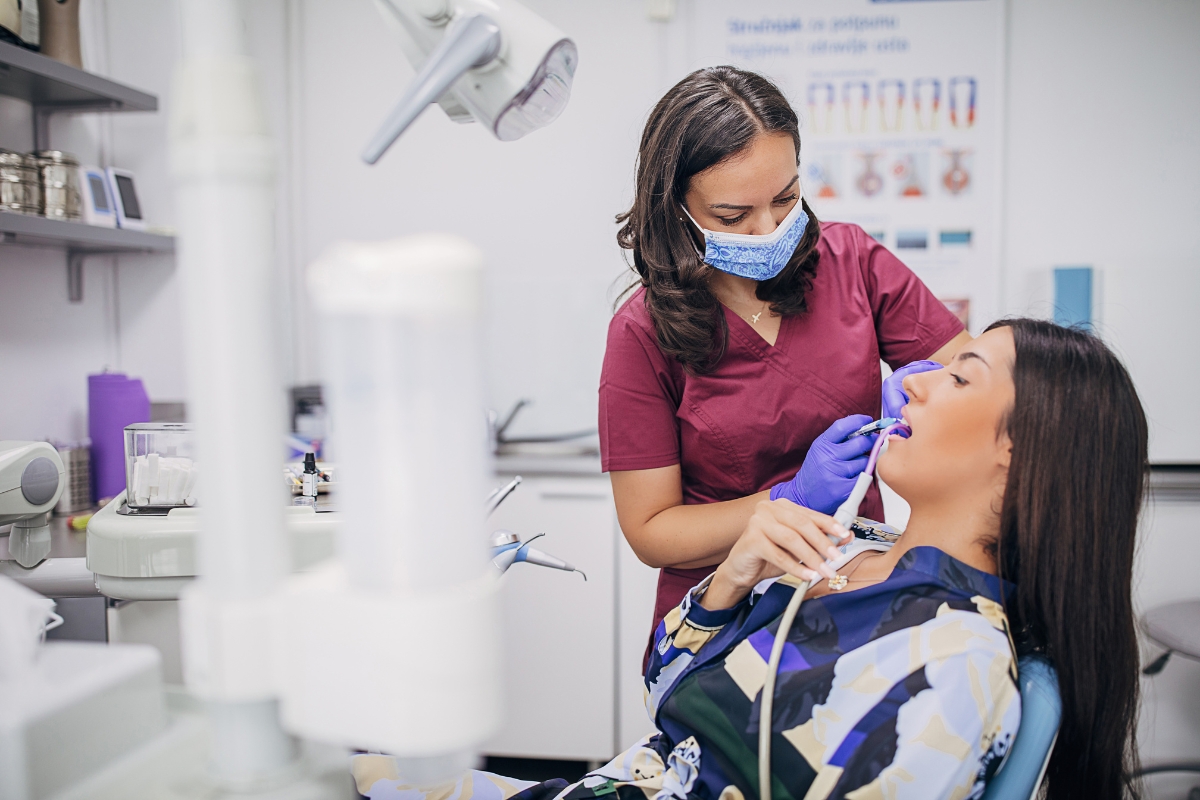
Is it Safe to Get Dental Cleanings During Pregnancy? Dr. Krishna Patel Explains
Pregnancy brings with it numerous changes to a woman’s body, and one area often overlooked is oral health. Many expecting mothers wonder if it’s safe to get dental cleanings during pregnancy. This concern is common, as it’s natural to worry about the well-being of both mother and baby. However, maintaining good oral hygiene during pregnancy is more important than ever.
Dr. Krishna Patel, a trusted family dentist, is here to shed light on this topic. In this blog, we’ll explore the safety of dental cleanings during pregnancy, why oral health matters at this stage, and how to ensure your dental visits remain safe for you and your baby. Read on to learn more about why regular dental care should not be put on hold during pregnancy.
Why Oral Health Matters During Pregnancy
Oral health plays a critical role during pregnancy, as it can impact both the mother’s and the baby’s health. Pregnancy increases the risk of gum disease and tooth decay due to hormonal changes. Elevated levels of hormones, like estrogen and progesterone, can cause the gums to become more sensitive, leading to pregnancy gingivitis, which results in swollen, tender gums that may bleed when brushing.
Without proper care, this condition can escalate into periodontal disease, which has been linked to preterm labor, low birth weight, and other complications. Additionally, the common pregnancy craving for sugary foods can contribute to tooth decay if not properly managed.
This is why regular dental cleanings from a family dentist in Fisherville are essential. They help prevent the buildup of plaque, reduce inflammation, and keep the mouth free from harmful bacteria that can affect overall health.
Is it Safe to Get a Dental Cleaning During Pregnancy?
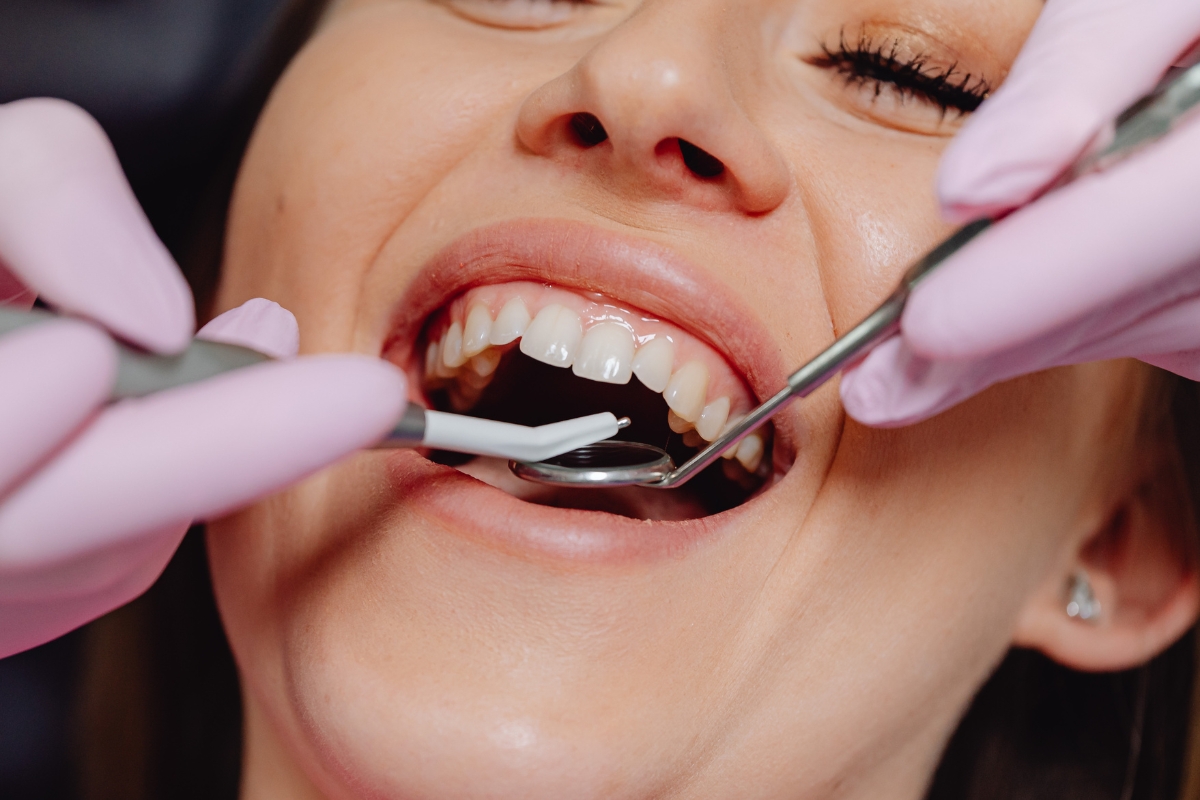
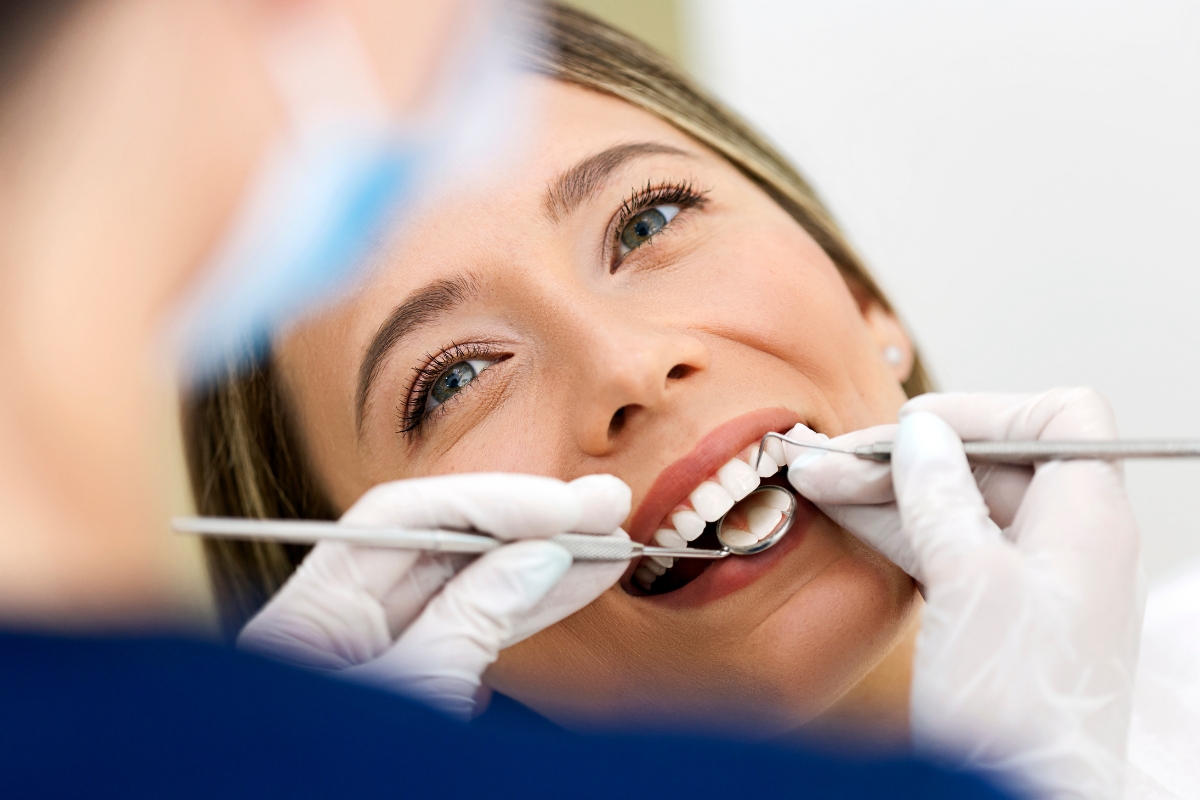
One of the most frequently asked questions among pregnant women is whether it’s safe to continue dental cleanings during pregnancy. The short answer is yes! Dental cleanings are not only safe but also necessary during pregnancy to ensure good oral health.
Dr. Krishna Patel reassures expecting mothers that regular dental visits, including cleanings, are generally safe throughout pregnancy. Most dentists recommend scheduling cleanings during the second trimester, as it is the most stable period of pregnancy.
During this time, the baby’s organs are fully developed, and the risk of complications is lower. The first trimester can be more challenging for some women due to morning sickness, and the third trimester may be uncomfortable for long dental appointments.
Regarding anesthesia, most routine dental procedures, including cleanings, do not require local anesthesia, making them completely safe. If a dental procedure does require anesthesia, the dentist will take extra precautions to ensure it’s safe for both mother and baby.
X-rays, which are commonly used in dental offices, can be safely avoided or done with extra precautions if necessary. Always inform your dentist about your pregnancy before any dental procedure to ensure proper safety measures are taken.
The Benefits of Dental Cleanings During Pregnancy
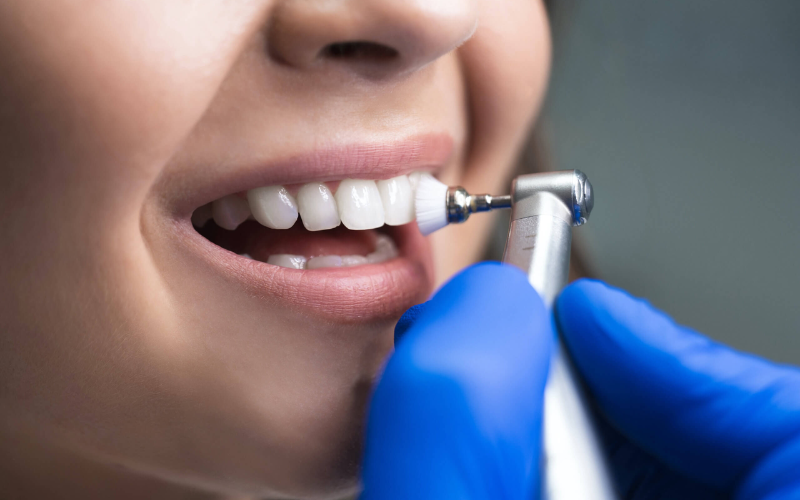
Dental cleanings during pregnancy provide a wealth of benefits for both the mother and baby. One of the most important reasons to keep up with dental visits is the prevention of gum disease. As mentioned earlier, untreated gum disease can lead to serious health risks, including preterm labor and low birth weight. Regular cleanings remove plaque and tartar, which helps maintain healthy gums and prevent these complications.
Maintaining good oral hygiene also improves comfort, as dental cleanings help to prevent discomfort from issues like swollen gums, tooth sensitivity, and infections. Additionally, by keeping the mouth healthy, the risk of more severe dental problems such as cavities and gum disease is minimized, contributing to overall well-being.
Dr. Patel, a professional family dentist in Fisherville, advises that while pregnant women may face challenges like nausea or sensitivity, the benefits of dental care far outweigh the discomfort. To ensure a smooth experience, he recommends informing your dentist about your pregnancy so they can adjust the care plan and make you as comfortable as possible.
Common Myths About Dental Work During Pregnancy
There are several myths surrounding dental work during pregnancy, and it’s important to address them to clear up any confusion.
Myth 1: “Dental work is unsafe during pregnancy.”
Fact: Routine dental cleanings and most procedures are safe during pregnancy. Dentists are trained to take necessary precautions to protect both the mother and the baby.
Myth 2: “It’s okay to skip dental cleanings until after delivery.”
Fact: Delaying dental cleanings can lead to an increased risk of oral health issues such as gum disease, which can affect the overall pregnancy. It’s best to continue regular dental visits.
Myth 3: “You shouldn’t get X-rays or anesthesia during pregnancy.”
Fact: While dental X-rays are typically avoided unless necessary, local anesthesia used in dental cleanings is considered safe during pregnancy when administered properly.
These myths can lead to neglected oral health, which can affect both the pregnancy and overall health. By debunking these misconceptions, expecting mothers can make informed decisions about their dental care.
How to Prepare for a Dental Cleaning During Pregnancy
Proper preparation can ensure that your dental cleaning goes smoothly during pregnancy. Here are a few tips:
Before the Appointment: Always inform your dentist about your pregnancy, especially the stage you’re in. This will help them tailor their approach to suit your needs. If you have any specific concerns, such as morning sickness or heightened sensitivity, let them know so they can make adjustments.
During the Appointment: Expectant mothers should be prepared to take breaks during the cleaning if needed. Lying on your back for long periods can become uncomfortable, so your dentist may allow you to sit up or move around if necessary.
Post-Cleaning Care: After the cleaning, avoid consuming extremely hot or cold foods immediately, as your teeth may be sensitive. It’s also important to continue brushing and flossing regularly to maintain a healthy mouth between cleanings.
By preparing ahead of time, you can ensure that your dental visit is as comfortable and safe as possible.
To recap, dental cleanings during pregnancy are not only safe but essential for maintaining oral health. Regular cleanings can prevent gum disease, reduce the risk of complications, and improve overall comfort. By following the guidelines and communicating with your dentist, you can ensure that your dental care remains a priority throughout your pregnancy.
If you’re pregnant and looking for a family dentistry practice that understands your unique needs, schedule an appointment with Dr. Krishna Patel today. Our team is dedicated to providing safe and effective dental care during all stages of pregnancy. Contact us now to book your next visit!
FAQs
What should I do after my dental cleaning during pregnancy?
After a cleaning, avoid hot or cold foods for a few hours to prevent discomfort. Continue your regular oral hygiene routine and follow any post-treatment instructions from your dentist.
Is there a connection between gum disease and preterm birth?
Yes, research suggests that untreated gum disease can increase the risk of preterm birth and low birth weight, making oral care crucial during pregnancy.
Can dental cleanings help prevent oral infections during pregnancy?
Yes, regular cleanings help remove harmful bacteria and prevent infections in the mouth, reducing the risk of complications like gum disease.
Should I wait until after pregnancy to visit the dentist?
No, it’s important to continue dental visits during pregnancy to ensure your oral health is maintained and prevent potential complications.
Does pregnancy affect my teeth?
Pregnancy can affect your teeth due to hormonal changes, increased plaque buildup, and cravings for sugary foods, increasing the risk of tooth decay.