6287 Taylorsville Rd Building #2, Fisherville, KY 40023

How Long Do Dental Sealants Actually Last? Tips from Elite Family Dental


How Long Do Dental Sealants Actually Last? Tips from Elite Family Dental
Dental sealants are a simple preventive step often recommended for children and teens, especially once their permanent molars come in. These back teeth have deep grooves that can trap food and bacteria, even when brushing habits are good. Sealants act as a protective layer, helping block out the areas where cavities commonly start.
While many parents assume sealants last forever, the reality is more nuanced. They are long-lasting, but not permanent, and their lifespan depends on everyday habits, bite pressure, and how consistently teeth are checked over time.
Understanding what affects durability helps families set realistic expectations and avoid surprises later. Regular monitoring plays a key role in keeping that protection intact. Guidance from practices like Elite Family Dental often focuses on prevention first, especially for growing smiles.
In a community where school schedules, sports seasons, and family routines stay busy, knowing how long sealants last helps parents plan care with confidence rather than guesswork.
What Dental Sealants Are Designed to Do
Sealants are designed to shield the chewing surfaces of molars, where tiny pits and grooves naturally form. These narrow spaces are difficult to clean thoroughly with a toothbrush, especially for children still learning good brushing habits. When a sealant is applied, it flows into these grooves and hardens, creating a smooth surface that food and bacteria cannot easily cling to.
Dentists often recommend dental sealants in Fisherville soon after permanent molars erupt because this is when teeth are most vulnerable to decay. Early protection helps reduce the risk of cavities during the years when kids are adjusting to new routines at school and home. The goal is prevention, not treatment.
Sealants do not replace brushing or flossing, but they work alongside daily care to reduce risk. The process is quick, comfortable, and does not involve drilling or numbing, which makes it easier for younger patients to tolerate.
Average Lifespan of Dental Sealants
With proper care, most sealants can last several years. Some remain effective for five to ten years, while others may need touch-ups sooner. Longevity depends on how evenly the material wears and how much stress the tooth experiences during chewing. Unlike a filling that can crack suddenly, sealants usually wear down slowly over time.
This gradual wear means protection often remains even as the surface thins. Short-term protection focuses on the early years after tooth eruption, when decay risk is highest. Long-term effectiveness comes from regular dental visits where wear is checked and repaired if needed.
Because sealants do not fail all at once, small areas can often be fixed quickly without replacing the entire coating. This approach helps extend protection while keeping visits simple and efficient.
Factors That Affect How Long Dental Sealants Last
Chewing Habits and Bite Pressure
Daily chewing habits have a major influence on durability. Children who grind or clench their teeth place extra pressure on molars, which can cause sealants to wear faster. Frequent chewing of hard candies, ice, or sticky snacks can also pull at the material over time. Active kids involved in sports may clench their teeth during play, adding stress without realizing it.
Oral Hygiene and Daily Care
Good brushing habits support sealant longevity, but they do not make sealants maintenance-free. Plaque buildup around the edges can weaken the seal if left unchecked. Routine checkups allow dentists to spot small changes early. Even with excellent home care, sealants still need professional monitoring to ensure they remain fully protective.
Age and Tooth Eruption Timing
Sealants placed soon after permanent teeth erupt often last longer because the enamel is intact and free from early wear. Younger children benefit from early placement, while teens and adults may see slightly shorter lifespans due to stronger bite forces. Adults can still benefit, but timing and habits play a bigger role in how long protection lasts.
Signs a Dental Sealant May Need Repair or Replacement
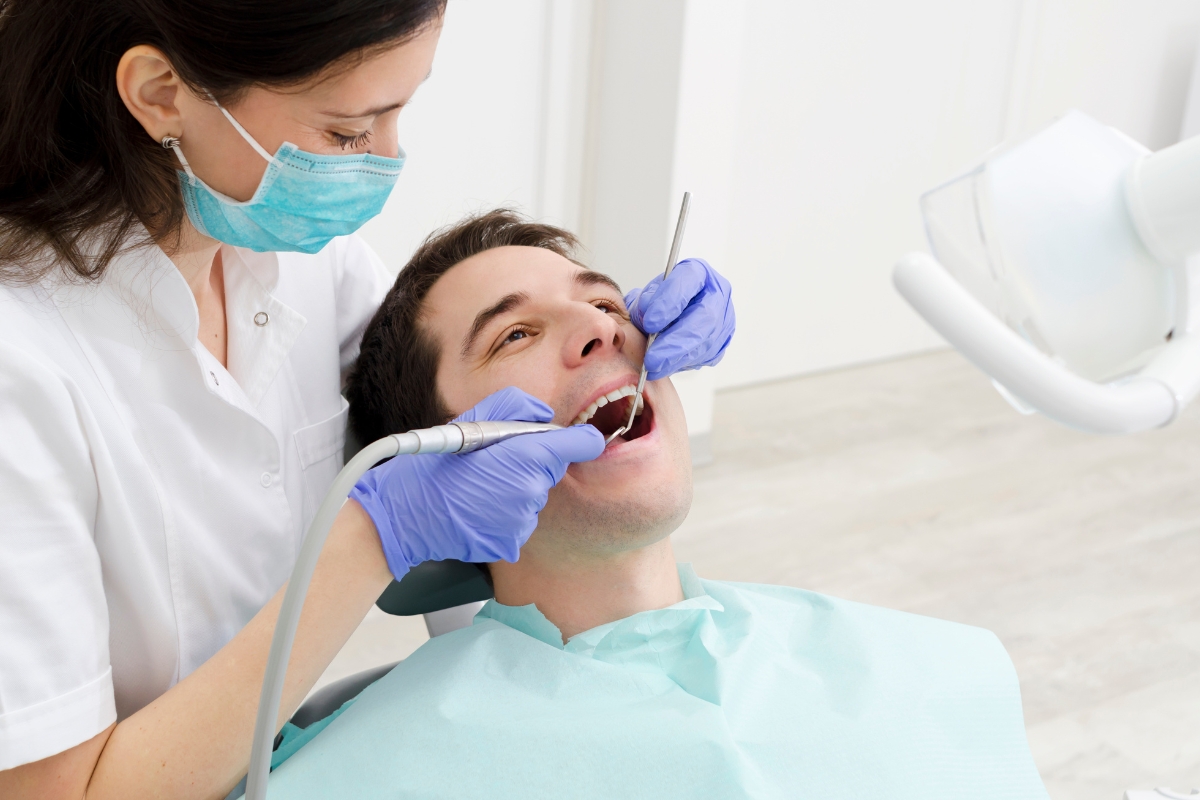
Most patients do not notice when a sealant begins to wear. There is usually no pain or visible change. Small chips or thinning areas are often only detectable during a dental exam. This is why professional evaluations matter more than self-checks at home. Dentists use visual tools and gentle instruments to see if the sealant is still sealing the grooves properly.
If a repair is needed, the process is simple and quick. In many cases, only a small section requires touch-up rather than full replacement. Knowing that maintenance is easy helps families stay proactive rather than delaying care. Regular exams ensure protection continues without interruption.
Sealants provide long-term protection, but they are not meant to last forever without attention. Their success depends on daily habits, chewing patterns, and routine dental visits that keep small issues from becoming bigger ones. When monitored regularly, sealants can continue protecting teeth through key growth years and beyond.
Staying consistent with preventive visits allows adjustments to be made early, often in just a few minutes. If you have questions about how long your child’s sealants may last or whether they need to be checked, scheduling a preventive visit is a practical next step.
A quick consultation with Elite Family Dental can help ensure your family’s preventive care stays on track and supports healthy smiles for years to come.
FAQs
Do sealants need special home care?
No special care is required beyond good brushing, flossing, and routine dental visits.
Can sealants protect teeth during orthodontic treatment?
They may help protect chewing surfaces, but braces require additional cleaning care.
Are sealants recommended for every child?
Not always. Dentists assess cavity risk, tooth shape, and oral habits before recommending them.
Can sealants be reapplied more than once?
Yes, sealants can be reapplied if needed, depending on tooth condition.
Are sealants affected by hot or cold foods?
Temperature changes do not usually affect sealants, but extreme temperatures may contribute to wear.