6287 Taylorsville Rd Building #2, Fisherville, KY 40023

Invisalign for Orthodontic Relapse: Fixing Teeth That Shifted After Childhood Braces


Invisalign for Orthodontic Relapse: Fixing Teeth That Shifted After Childhood Braces
For many, wearing braces as children translates into some form of orthodontic relapse later in life. Teeth that straightened well start to shift in a way that can cause discomfort or make one insecure. Relapse can occur for a range of reasons, from natural changes in your jawbone structure to poor adherence to prescribed post-treatment retainer use. It’s frustrating to watch those hard-earned childhood braces results slip away, but there’s a solution that an increasing number of people are turning to: Invisalign.
Invisalign is a modern, comfortable alternative to traditional metal braces, offering a discreet way to get your smile back on track. Using clear aligners, Invisalign can shift your teeth back into their ideal position without the need for wires or brackets. This blog will discuss how Invisalign works in treating orthodontic relapse and why it could be the perfect choice for you.
What is Orthodontic Relapse?
After braces, it is common for teeth to shift back toward their old position over time. This relapse often occurs if retainers were not worn as prescribed, or if they were lost or damaged. Shifting teeth can also result from other conditions, such as age, tooth wear, or gum disease. While frustrating, it is essential to understand that orthodontic relapse is fully correctable, and with Invisalign, you can regain the smile you worked so hard for.
Why Invisalign is the Right Choice for Orthodontic Relapse?
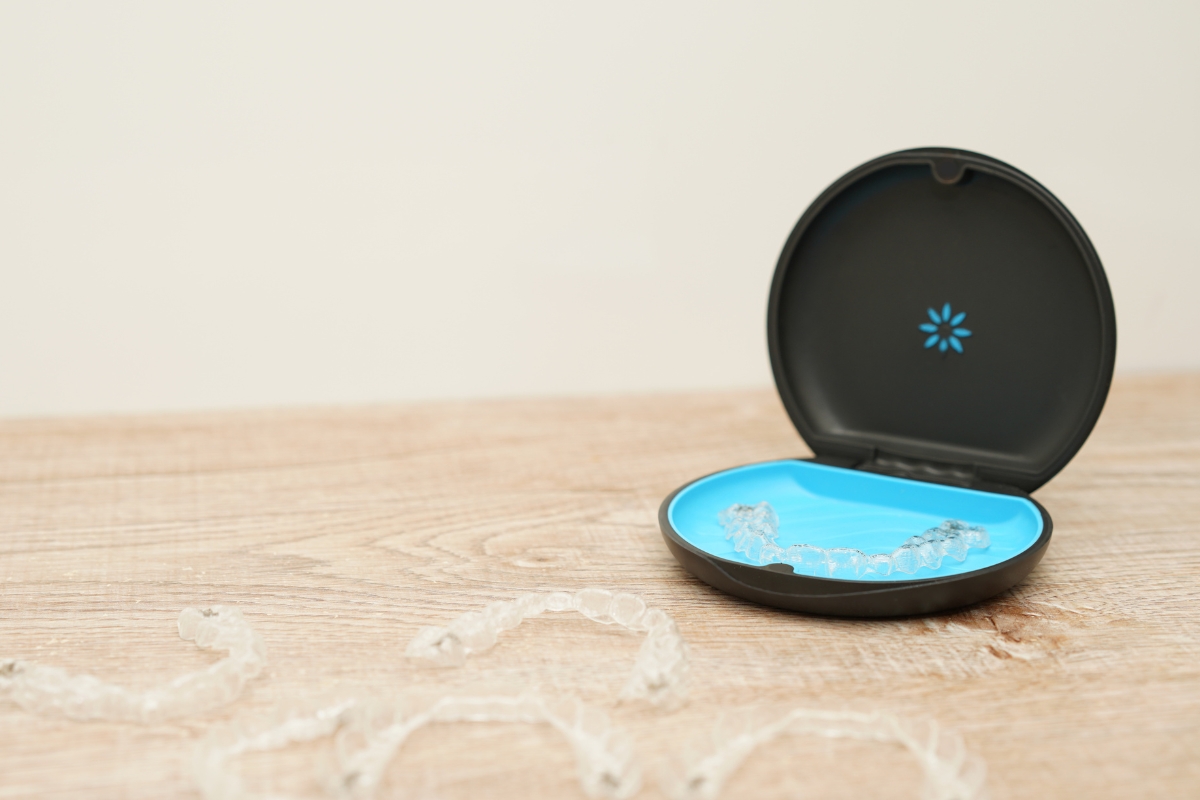
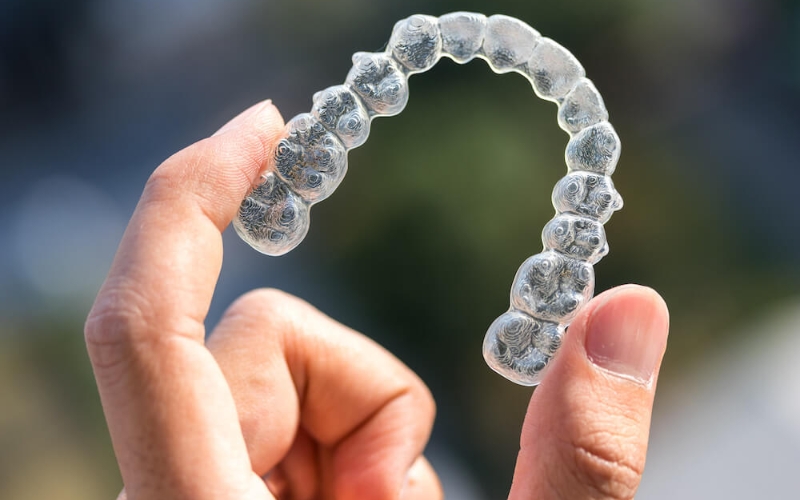
Unlike traditional metal braces, Invisalign in Fisherville, KY, uses a series of clear, removable aligners that gradually shift your teeth back into place. Custom-designed to fit your teeth, these aligners are comfortable to wear and avoid the irritation and unsightly look of traditional braces. Additionally, since Invisalign aligners are clear, they offer a discreet solution for adults who may not want to wear braces again. With Invisalign, you can go about your daily routine without feeling self-conscious.
How Invisalign Aligners Work?
The Invisalign process begins with a consultation with a seasoned dentist or orthodontist. During this appointment, your dentist will take a digital scan or impression of your teeth in order to create a personalized treatment plan.
Your custom-designed aligners will be created to shift your teeth back into alignment gradually. You will wear each set of aligners for about one to two weeks before moving on to the next set. Over time, your teeth will gently realign without the need for frequent visits to the dentist.
The Invisalign aligners are worn for approximately 20-22 hours a day and are only taken out during eating, drinking, brushing, and flossing. As you go through the series of aligners, your teeth gradually shift back into their correct position; each set moves you closer to your perfect smile.
How to Maintain Your New Smile
Once your orthodontic relapse has been corrected with Invisalign, the results need to be maintained. Wearing a retainer as prescribed by your dentist is crucial to keeping your teeth in their new position. Your orthodontist will walk you through the process of using a retainer after Invisalign treatment; this will keep your smile straight and healthy for many years to come.
The Advantages of Invisalign
Invisalign offers several benefits that make this dental solution quite attractive to people seeking to correct orthodontic relapse. This contemporary treatment provides flexibility, comfort, and unobtrusiveness while helping you to create the smile you have always wanted. In case you are thinking about Invisalign, here are some factors that you should keep in mind:
Discreet Treatment
Invisalign aligners are clear and virtually invisible, allowing you to straighten your teeth without the noticeable appearance of traditional metal braces.
Comfortable to Wear
Unlike metal braces, Invisalign aligners are made of smooth plastic that will not irritate your gums or the inside of your mouth, making them very comfortable to wear throughout the day.
Removable for Convenience
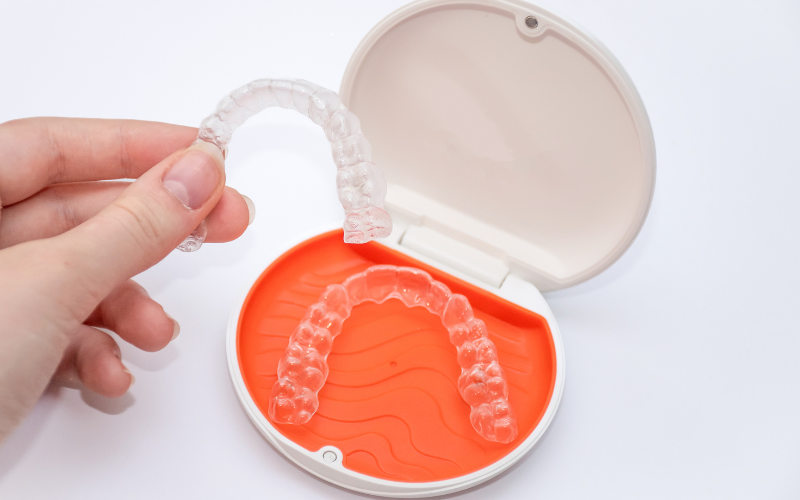
With Invisalign aligners, you can easily take them out for eating, drinking, brushing, and flossing. That gives you the ability to stick to your usual oral hygiene routine and enjoy all your favorite foods anytime, without inhibition.
Customizable and Accurate
Each aligner pair is individually designed for your teeth and your unique treatment plan, ensuring precise movements for a personalized, effective result.
Fewer Office Visits
With Invisalign, you will be visiting your orthodontist less often than with traditional braces. You are given several sets of aligners at a time, and that means fewer, less frequent appointments.
Better Oral Hygiene
Because Invisalign aligners are removable, you can continue to brush and floss your teeth as usual, which reduces the risk of plaque buildup and helps keep your mouth cleaner throughout your treatment.
Minimal Discomfort
Most patients only report mild discomfort when adjusting to a new set of aligners, whereas the irritation and soreness from metal braces can be considerably greater.
Get Your Smile Back with Invisalign
If you are ready to correct your smile after orthodontic relapse, Invisalign can offer a comfortable, discreet, and effective solution. You no longer have to be concerned about the hassle of metal braces. Invisalign offers flexibility and convenience while helping you achieve that straight, beautiful smile you’ve always wanted.
Looking for Invisalign near you? Here at Elite Family Dental, we’re ready to guide you through the process so that you will have the smile you rightfully deserve. Don’t let your orthodontic relapse hold you back. Set up a consultation with us today and take that first step toward the confident you.
FAQs
1. How long does Invisalign take to fix orthodontic relapse?
Invisalign treatment for orthodontic relapse typically takes about 6 to 18 months, depending on the severity of the relapse. Your orthodontist will provide an estimated timeline based on your specific needs.
2. Are Invisalign aligners uncomfortable?
Invisalign aligners are generally more comfortable than traditional braces. You may experience mild discomfort when switching to a new set of aligners, but it’s typically less painful than metal braces.
3. Can I eat with Invisalign in?
No, you should remove your Invisalign aligners when eating or drinking to avoid damaging them. This also prevents food from getting stuck in the aligners, which could affect the treatment.
4. How often do I need to visit my orthodontist during Invisalign treatment?
You’ll visit your orthodontist every 6-8 weeks to check on your progress and receive new sets of aligners. These visits are relatively quick and help ensure your treatment stays on track.
5. Can Invisalign fix severe cases of relapse?
Yes, Invisalign can treat a wide range of cases, including mild to moderate orthodontic relapse. However, severe cases may require additional treatment or other orthodontic options.
6. How do I care for my Invisalign aligners?
Clean your Invisalign aligners daily with lukewarm water and a soft toothbrush. Avoid using hot water, which can warp the plastic, and never use toothpaste, as it can scratch the aligners.